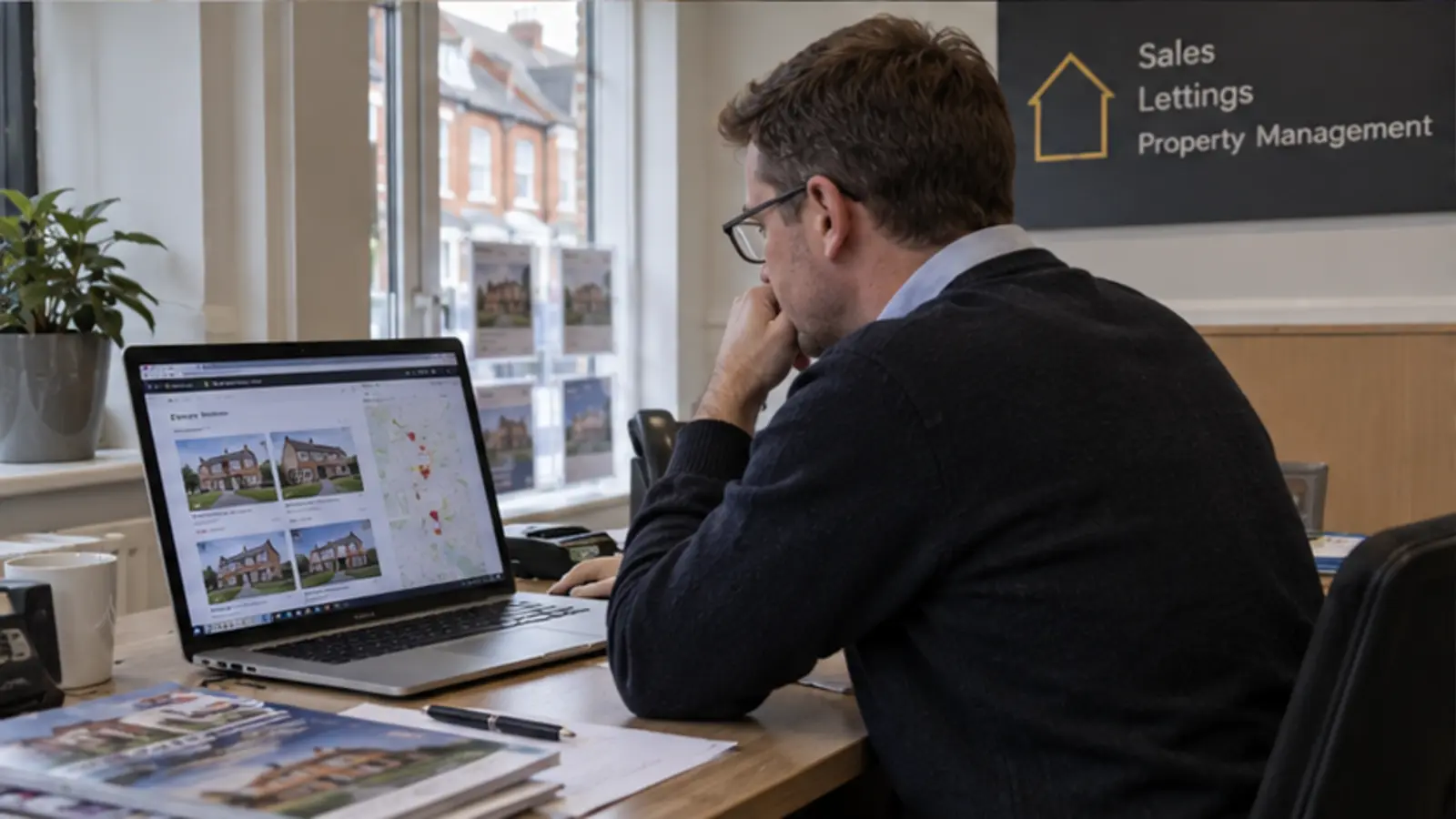
When somebody searches for estate agent website design UK, the page must help them make a decision quickly. Plan a UK estate agent website around property search, clear listings, viewing requests and accurate local information.
For estate agent website features buyers actually use, the page should explain useful filters and complete property details before asking the visitor to act. That makes it specific to the subject rather than a general sales page with a keyword added to the heading.
Plan Around Real Customer Needs
Start with the customer’s decision
Follow the journey from first question to final action. Note where a visitor needs explanation, reassurance or evidence. That understanding should influence navigation, page order and headings before detailed visual work begins.
A common mistake is prioritising animation over fast property discovery. A more dependable approach is keeping listings accurate and enquiry routes simple. This creates a page with a recognisable purpose instead of content assembled only to contain search phrases.
Define the Important Website Requirements
Build the essential information
The most useful requirements for this type of website normally include useful filters, complete property details and map context. They should not be hidden inside one long homepage. Important subjects deserve clear sections or separate pages when visitors need enough detail to make a decision.
Add viewing enquiries and listing status where they support the journey. Every claim should be accurate, and any location, qualification, availability or guarantee should be used only when the business can verify it.
Design for Mobile Visitors
Make mobile use simple
Place essential information before decorative content on narrow screens. Visitors should not scroll through a large image merely to learn what the business offers. Use readable paragraphs, properly sized WebP images and controls that are easy to operate by touch. The mobile version should retain important information rather than hiding it to make the layout appear cleaner.
Our existing guide provides a broader mobile checklist: https://nolixia.com/blog/why-mobile-friendly-website-design-matters-for-b11-businesses
Create a Search-Friendly Structure
Support search visibility naturally
Write the title and description after the main content so they accurately summarise what the reader will find. The focus phrase can appear in the title, introduction and one useful heading, while related language develops the subject naturally. Exact repetition in every paragraph makes the page less readable and does not add expertise.
For this UK-wide industry websites subject, give a complete national answer and reserve city references for pages that genuinely serve those locations. Connect this article to the most relevant service, project and supporting guide instead of placing the same list of links everywhere.
Check Accuracy and Performance
Review before publishing
Ask somebody unfamiliar with the project to identify the service and next step after a short review. Confusion usually exposes missing context. Then verify spelling, headings, contact information and page behaviour across current browsers.
After publishing “Estate Agent Website Features Buyers Actually Use”, use Google Search Console to observe impressions for estate agent website design UK and related queries. Combine that evidence with enquiries and page behaviour. Search performance can take time, so improve missing information instead of changing the focus every few days.
Related Nolixia Resources
Explore Nolixia’s website services at https://nolixia.com/services
See relevant design and development work at https://nolixia.com/portfolio
For businesses considering estate agent website design UK, Nolixia creates responsive websites and practical digital tools in Birmingham and across the UK. Projects can include useful filters, complete property details and the supporting systems needed to keep the website useful after launch.