A search for auto parts ecommerce website UK normally begins with a practical need, not an interest in visual effects. A guide to vehicle matching, product data, stock, delivery and returns for a UK auto parts e-commerce website.
For building an auto parts e-commerce website, the page should explain part compatibility and product identifiers before asking the visitor to act. That makes it specific to the subject rather than a general sales page with a keyword added to the heading.
Plan Around Real Customer Needs
Start with the customer’s decision
List the questions received during calls, messages and face-to-face conversations. These reveal what customers need before they are ready to enquire. That understanding should influence navigation, page order and headings before detailed visual work begins.
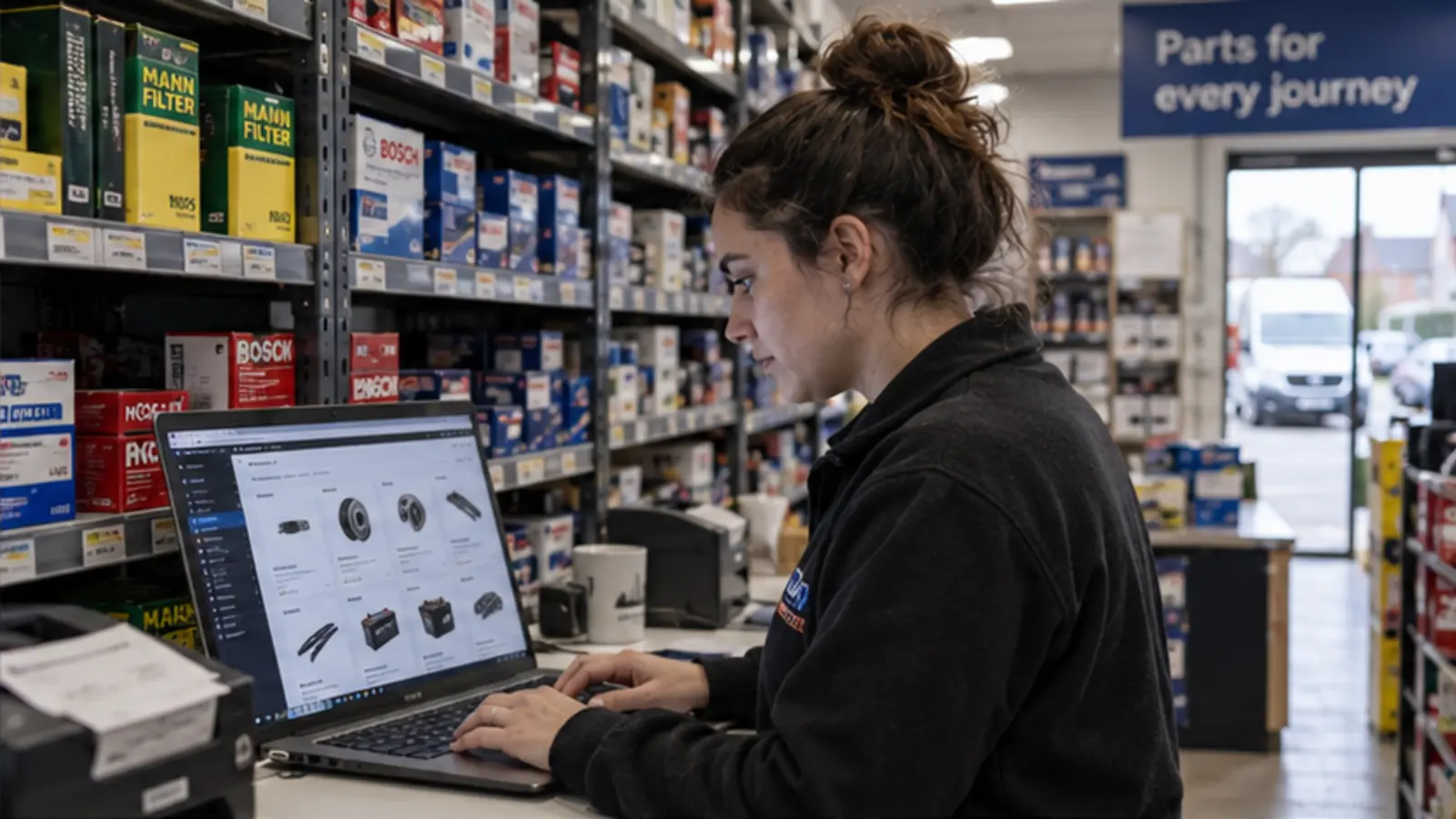
A common mistake is relying on product names when compatibility is essential. A more dependable approach is reducing wrong orders through structured vehicle and part information. This creates a page with a recognisable purpose instead of content assembled only to contain search phrases.
Define the Important Website Requirements
Build the essential information
The most useful requirements for this type of website normally include part compatibility, product identifiers and stock status. They should not be hidden inside one long homepage. Important subjects deserve clear sections or separate pages when visitors need enough detail to make a decision.
Add delivery choices and returns process where they support the journey. Every claim should be accurate, and any location, qualification, availability or guarantee should be used only when the business can verify it.
Design for Mobile Visitors
Make mobile use simple
Test the menu, main action and every form on a small phone. A design can look responsive while its most important task remains awkward. Use readable paragraphs, properly sized WebP images and controls that are easy to operate by touch. The mobile version should retain important information rather than hiding it to make the layout appear cleaner.
Our existing guide provides a broader mobile checklist: https://nolixia.com/blog/why-mobile-friendly-website-design-matters-for-b11-businesses
Create a Search-Friendly Structure
Support search visibility naturally
Give the page one primary search purpose and let related terms appear where the explanation genuinely requires them. The focus phrase can appear in the title, introduction and one useful heading, while related language develops the subject naturally. Exact repetition in every paragraph makes the page less readable and does not add expertise.
For this UK-wide industry websites subject, give a complete national answer and reserve city references for pages that genuinely serve those locations. Connect this article to the most relevant service, project and supporting guide instead of placing the same list of links everywhere.
Check Accuracy and Performance
Review before publishing
Read the draft as a customer and remove any sentence that sounds confident but cannot be demonstrated. Then verify spelling, headings, contact information and page behaviour across current browsers.
After publishing “Building an Auto Parts E-commerce Website”, use Google Search Console to observe impressions for auto parts ecommerce website UK and related queries. Combine that evidence with enquiries and page behaviour. Search performance can take time, so improve missing information instead of changing the focus every few days.
Related Nolixia Resources
Explore Nolixia’s website services at https://nolixia.com/services
See relevant design and development work at https://nolixia.com/portfolio
For businesses considering auto parts ecommerce website UK, Nolixia creates responsive websites and practical digital tools in Birmingham and across the UK. Projects can include part compatibility, product identifiers and the supporting systems needed to keep the website useful after launch.